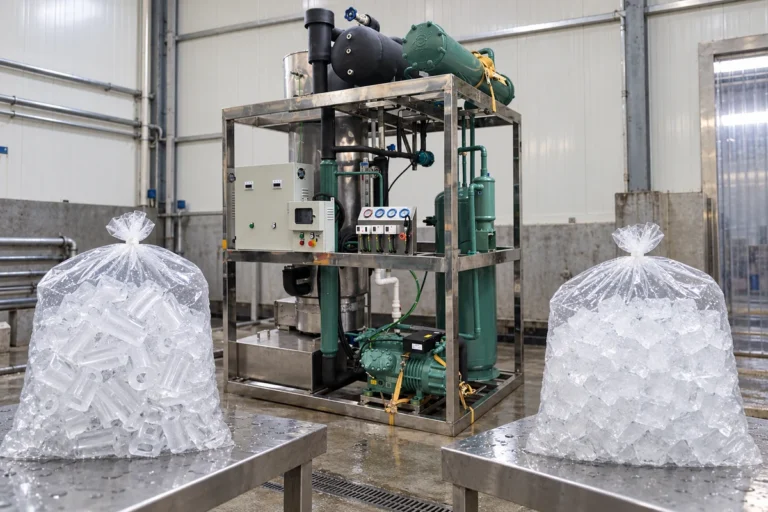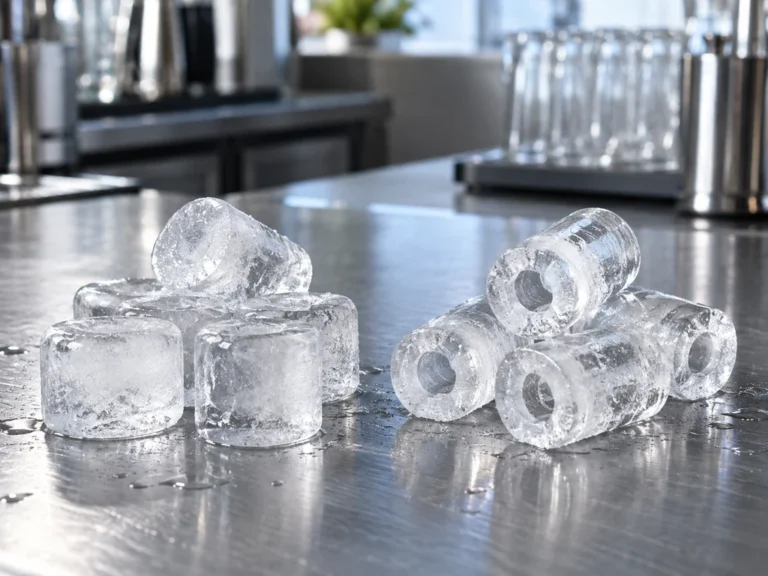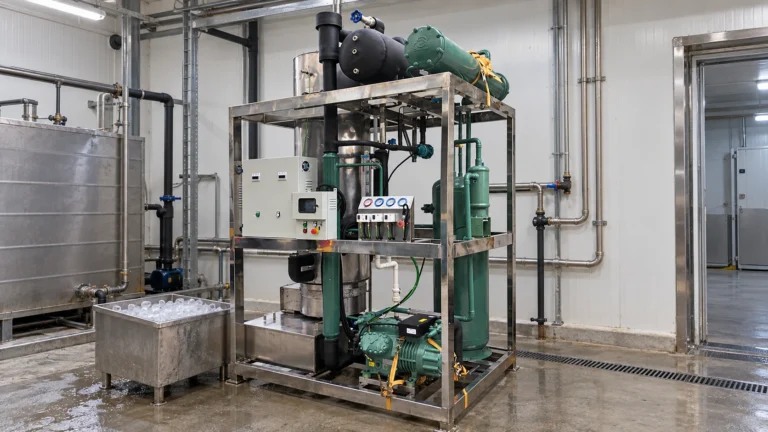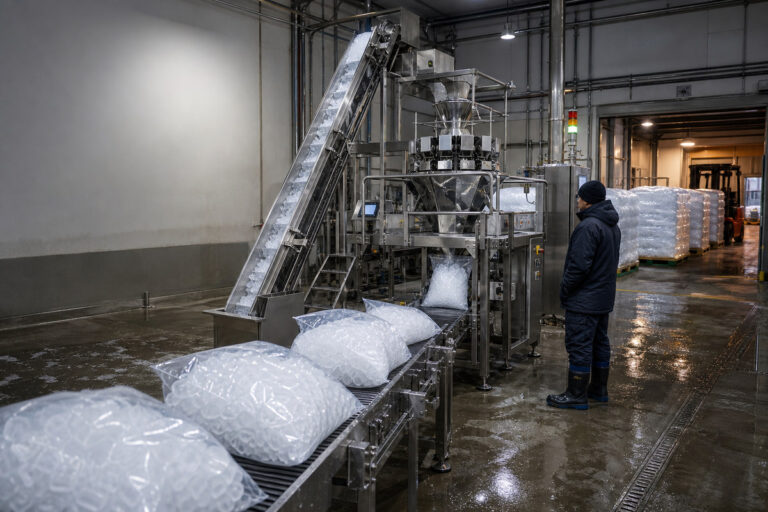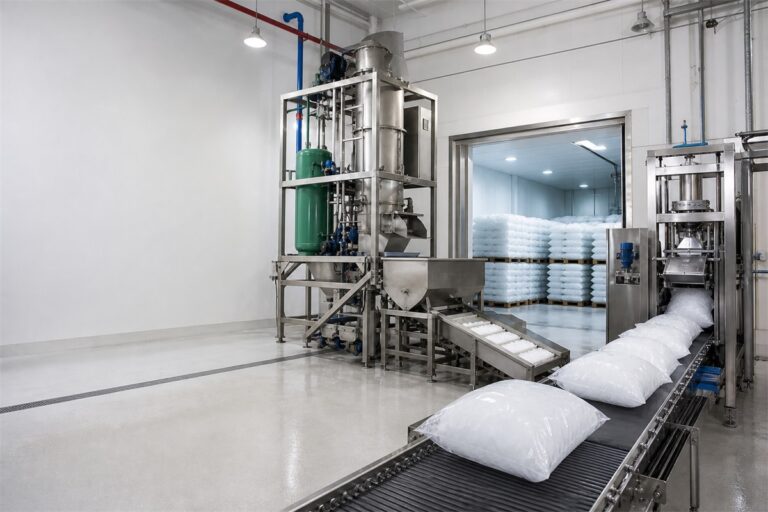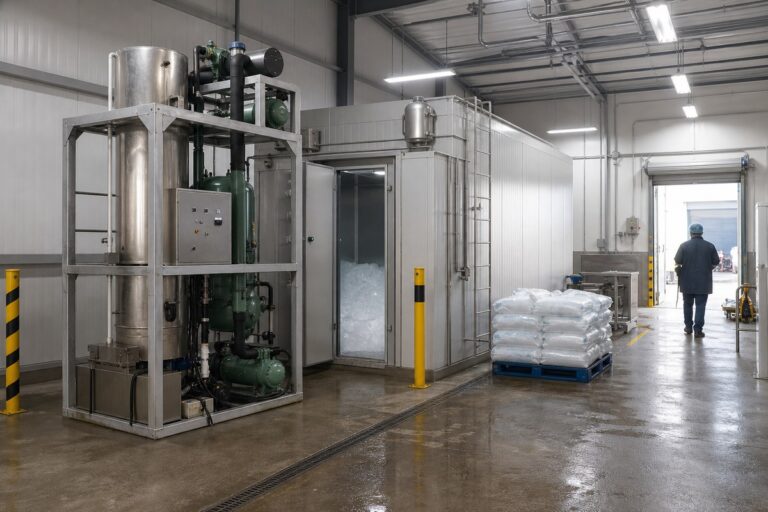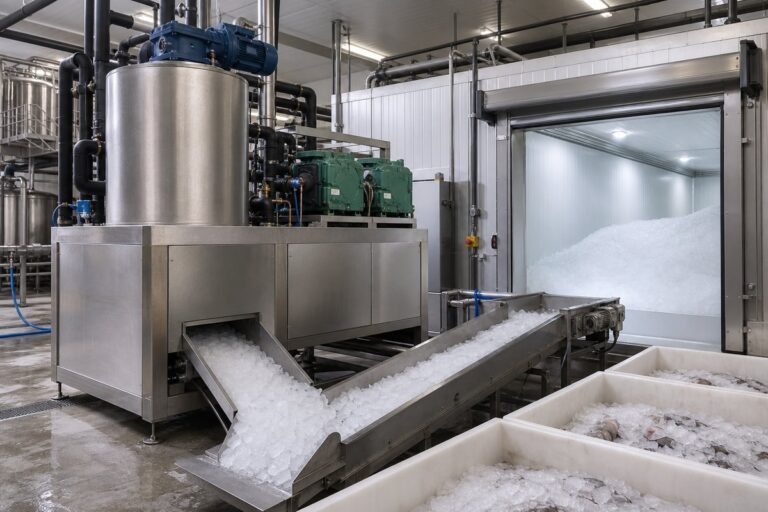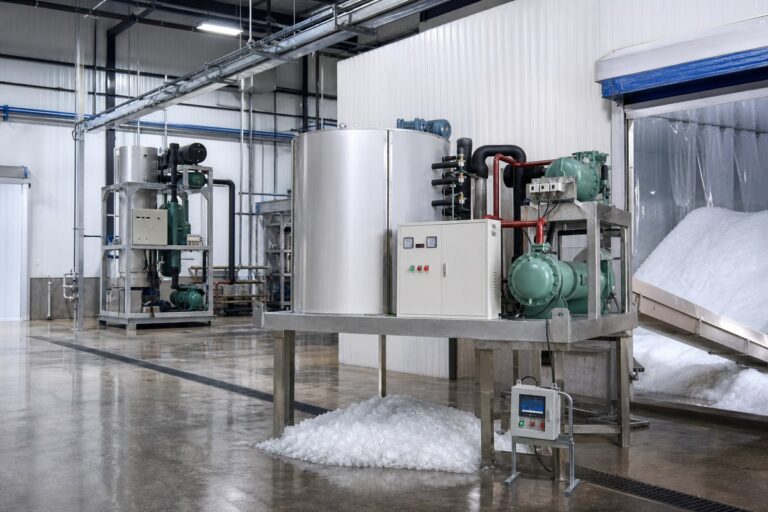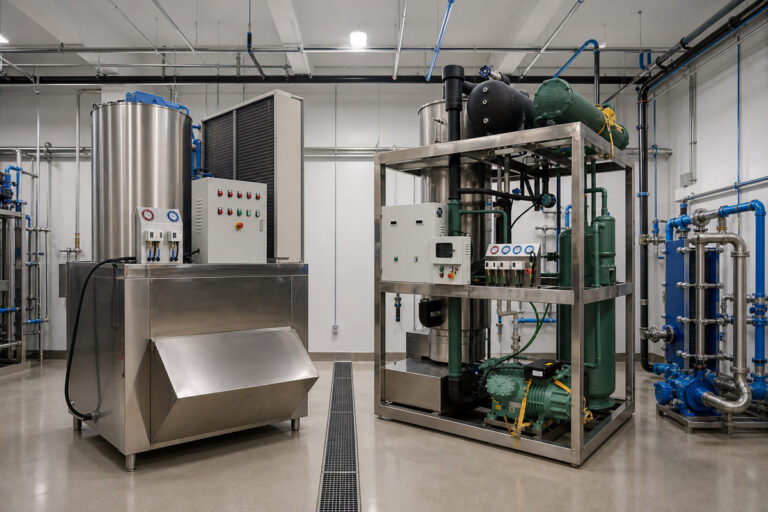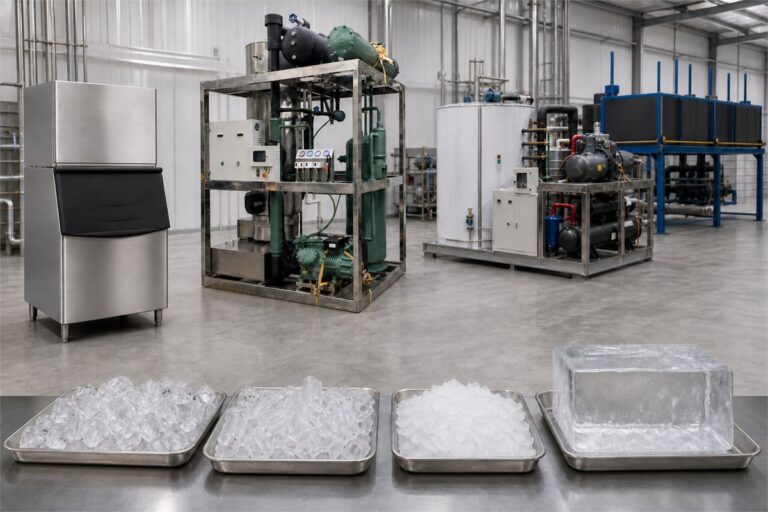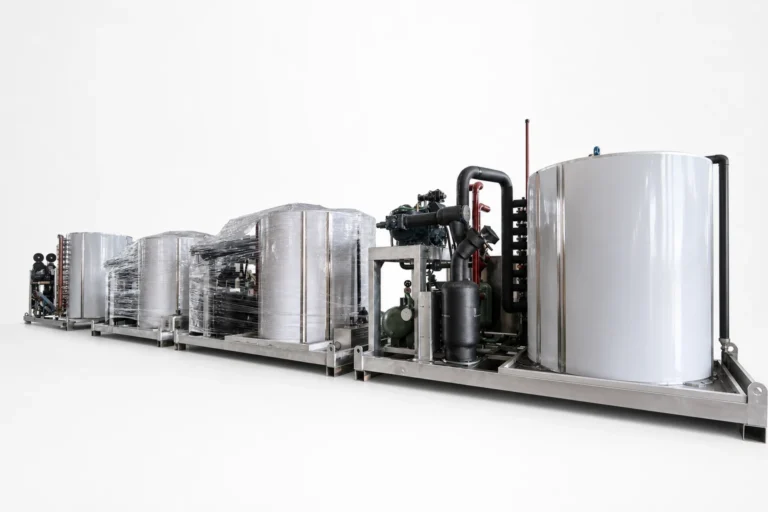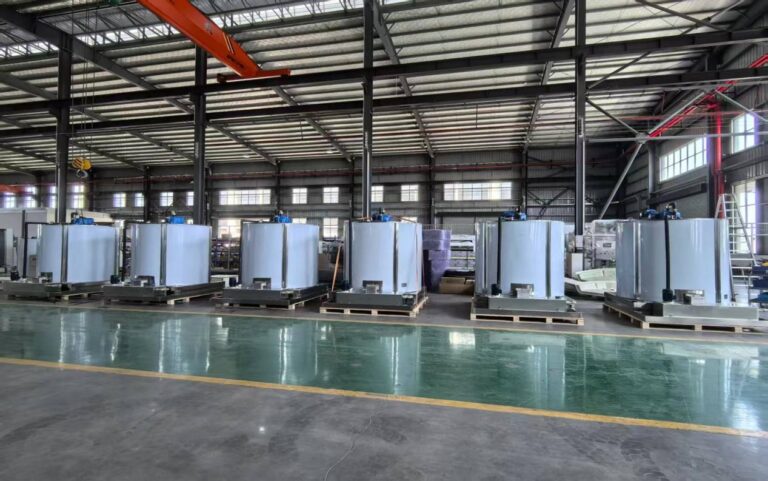
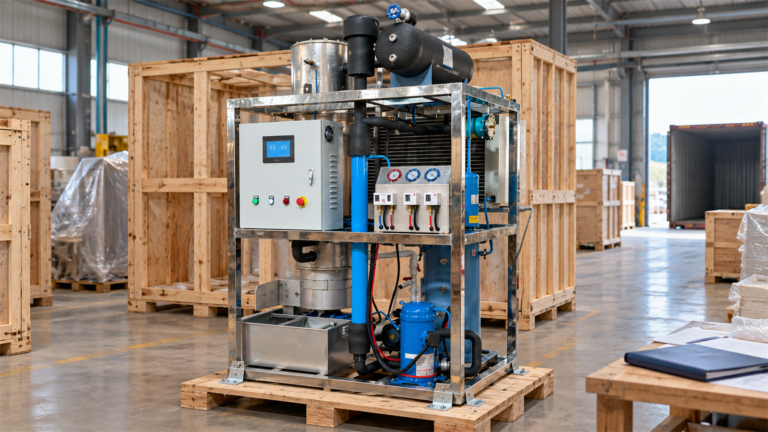
The Biggest Flake Ice Machine Factory in China
Email: mikeicemachine@gmail.com WhatsApp: +8613825291035
Author

David Chen

Senior refrigeration engineer at Mikeicemachine, focused on tube ice, flake ice, refrigeration design and practical ice plant configuration for overseas customers.

12+Years refrigeration experience
30+Countries supported
500+Projects reviewed
Expertise

Engineering Review for Ice Machine Content

David reviews technical guidance about capacity, cooling method, refrigerant selection, ice applications and project configuration.

Author

Articles by David Chen

Ice Machine HS Code: A Practical Guide for Importers

Complete refrigeration-based ice machines classify internationally under HS code 8418.69. For US import clearance, the primary entry code is HTS 8418.69.0110. Final declarations require matching local tariff extensions against the shipment's physical engineering boundary, especially when managing modular units, bare evaporators, or multi-function plants.

Read
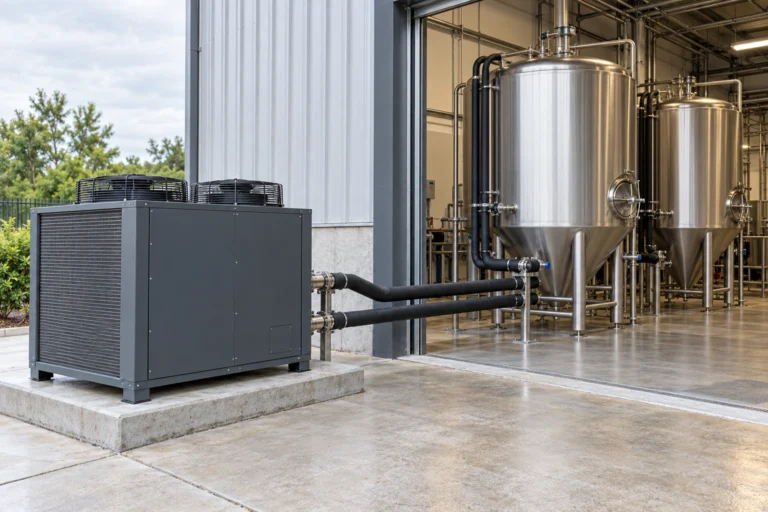
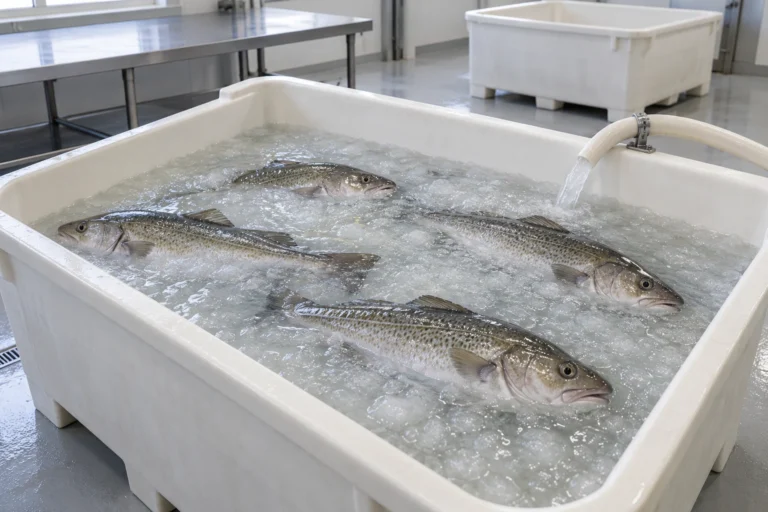
Top Icing: How It Works and When to Use It for Fresh Produce

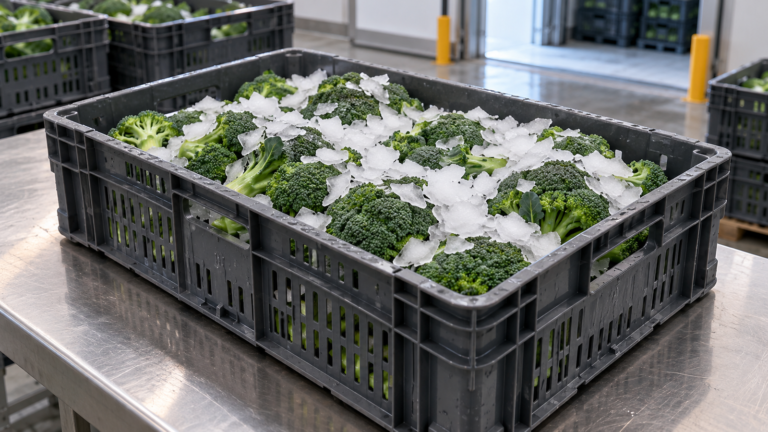
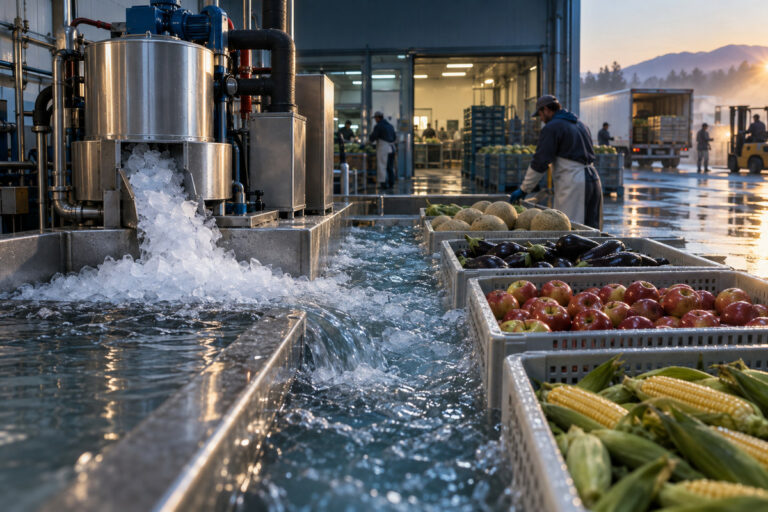
Top icing maintains low temperatures and high relative humidity around select fresh crops during transit and storage. The method succeeds only when the crop tolerates prolonged wetting, containers resist water degradation, and vehicle airflow channels remain open. Always deploy top icing alongside thorough precooling and mechanical refrigeration; ice alone cannot correct an unbroken heat load or a failed cold chain.

Read

Ice Storage Temperature: A Guide for Industrial Applications

Industrial ice storage requires balancing incoming ice quality, holding time, and discharge mechanics. While long-term storage requires sub-zero refrigeration, simply lowering the room temperature will not prevent clumping or bridging. A reliable system pairs an accurate thermal setpoint with verified discharge performance under peak plant loads.

Read

Ice Bag Sealer: How to Choose the Right Machine for Your Ice Plant

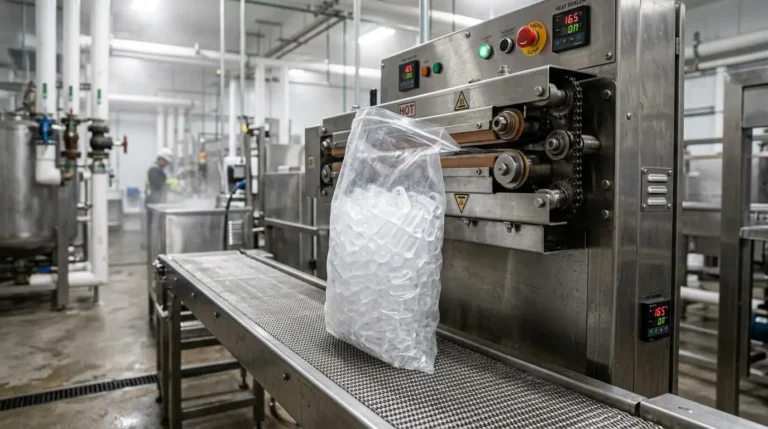
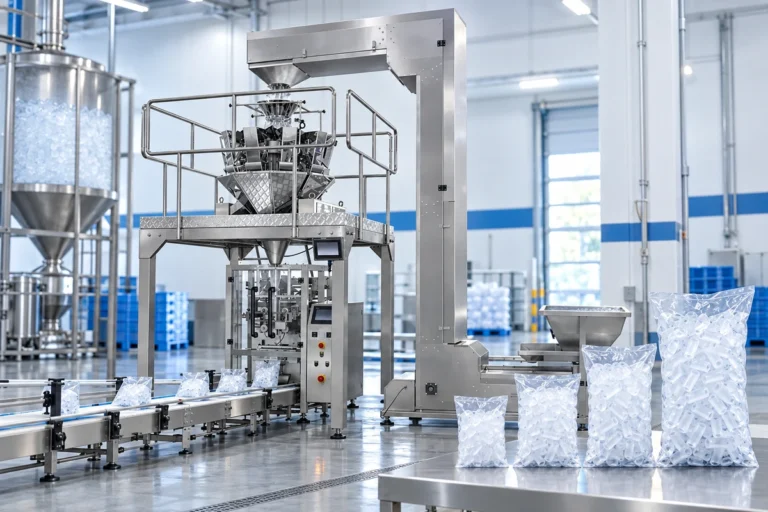
Evaluate an ice bag sealer on three core criteria before comparing prices: bag compatibility, closure durability in cold storage, and sustained packaging speed. The machine must handle filled bags reliably within your real workflow. For an ice plant, a successful installation means leak-free closures during continuous shifts, with predictable labor and low maintenance requirements.

Read

How to Build a Mass Concrete Thermal Control Plan

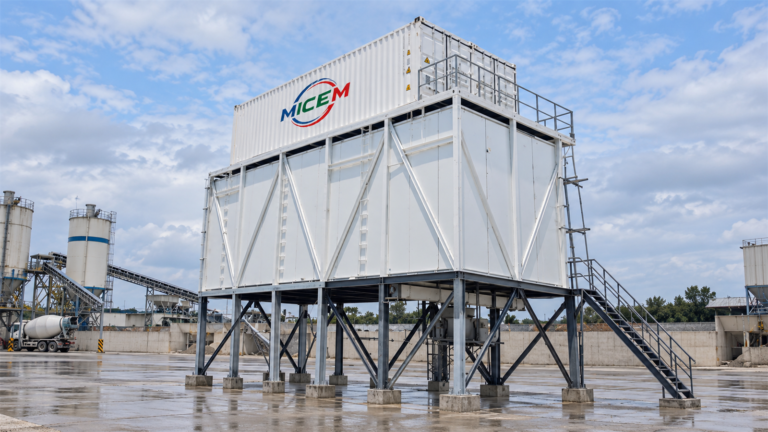
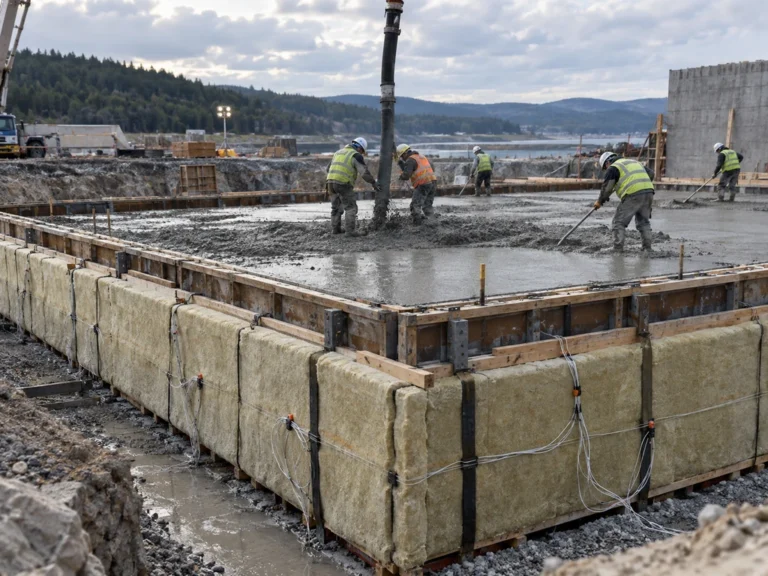
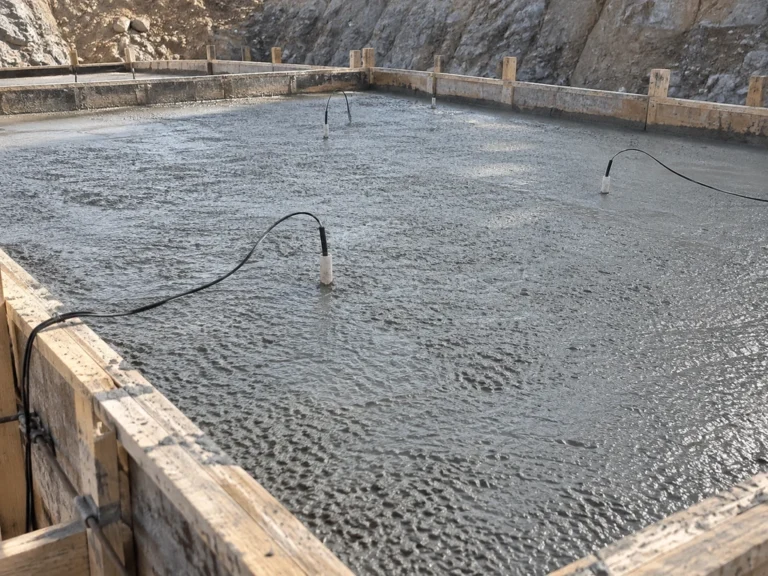
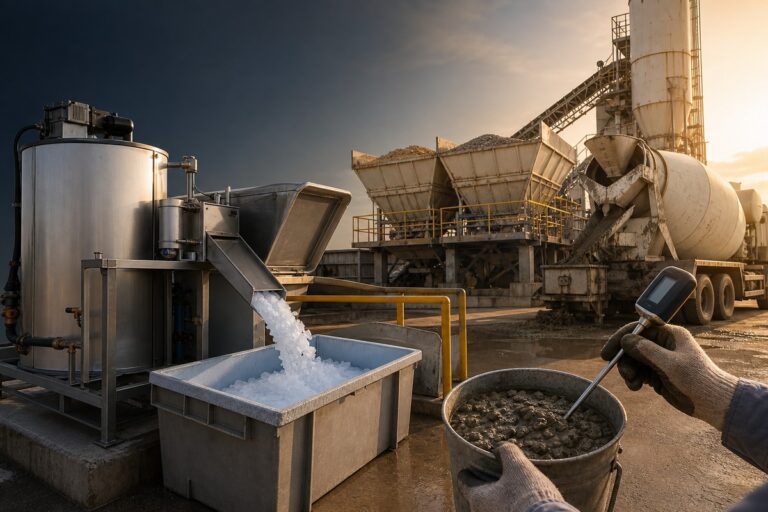
A concrete thermal control plan defines how a project will predict, limit, monitor, and respond to heat development in mass concrete. It connects the approved mixture, placement conditions, thermal model, control measures, sensor layout, responsibilities, and acceptance criteria in one controlled document.

Read

Mass Concrete Pour: Planning and Placement

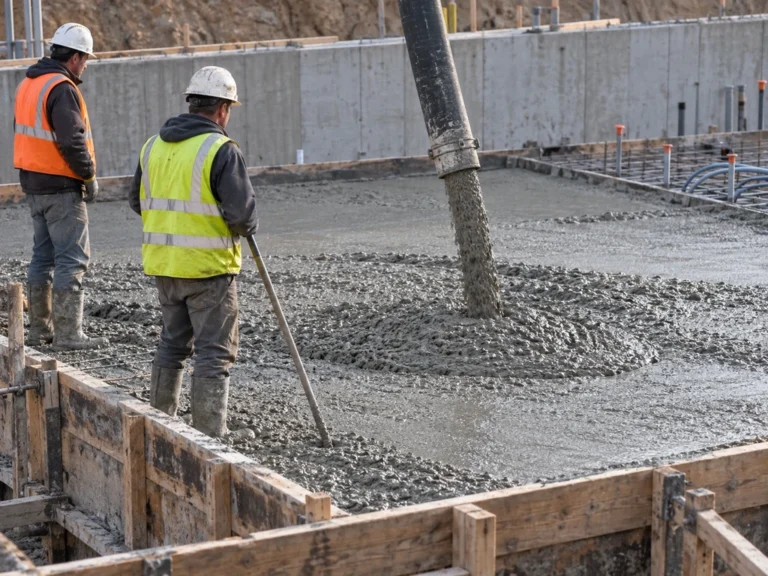
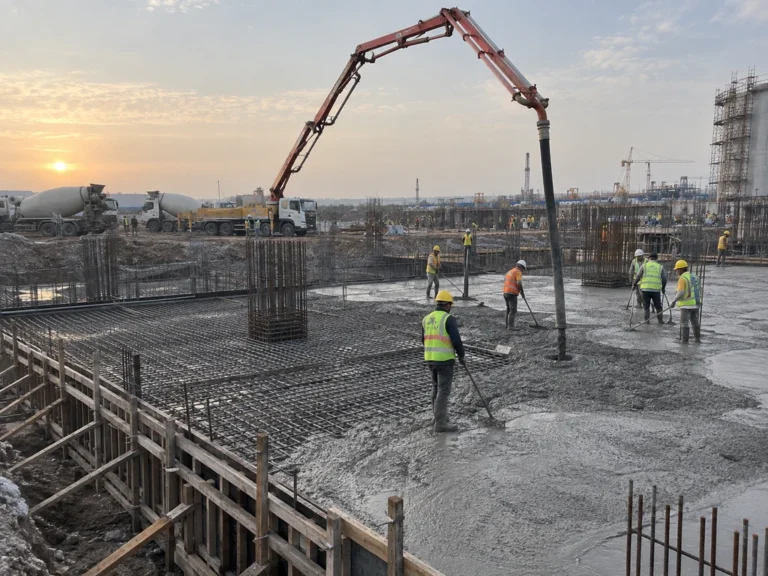
A mass concrete pour requires project-specific placement and thermal controls to limit internal temperatures and temperature differences. Successful execution depends on maintaining concrete quality, placement continuity, embedded-system integrity, and the required temperature history.

Read

Mass Concrete Temperature: Limits, Monitoring, and Control

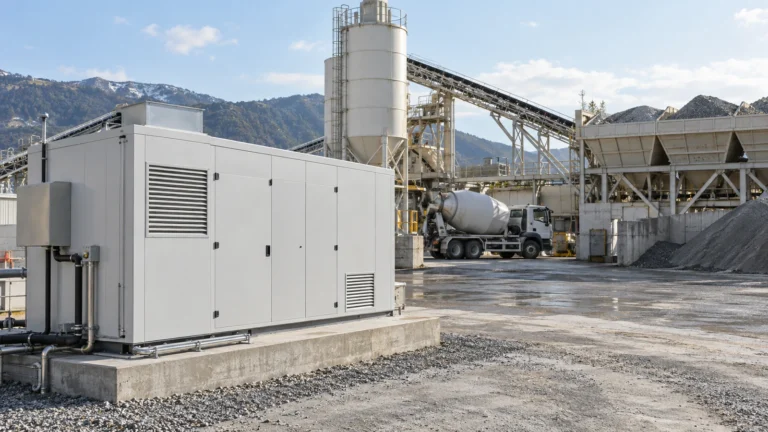
Mass concrete temperature must be controlled as two separate quantities: the highest temperature reached after placement and the temperature difference between the interior and surface. Under ACI SPEC-301-20, the commonly cited default limits are 160°F (70°C) and 35°F (19°C), but the governing project specification controls.

Read

Ice Bag Sizes: Choosing Bags for Tube Ice Packing Lines

Choose ice bag sizes from the finished pack your customer needs, then verify the physical bag with your tube ice and proposed packing line. A weight label such as 5 kg or 20 lb does not define the bag width, length, gusset, film feed, closure area, or filled shape. Those details affect how the bag enters the machine, receives ice, closes, and leaves the packing area.

Read

Hydrocooling With Ice: When Does It Fit Produce Pre-Cooling?

Ice-fed hydrocooling works when the produce and packaging tolerate water, the cooling load is seasonal or intermittent, and the packhouse can control recirculated water. A dedicated water-chilling system may fit steady, high-volume operation better. Before choosing either route, confirm the commodity limits, required temperature change, peak throughput, sanitation plan, and refrigerated holding available after cooling. This guide covers ice used to chill the water, not ice placed inside the package.

Read

Ice Machine Evaporator: How Freezing Surfaces Shape Ice Form

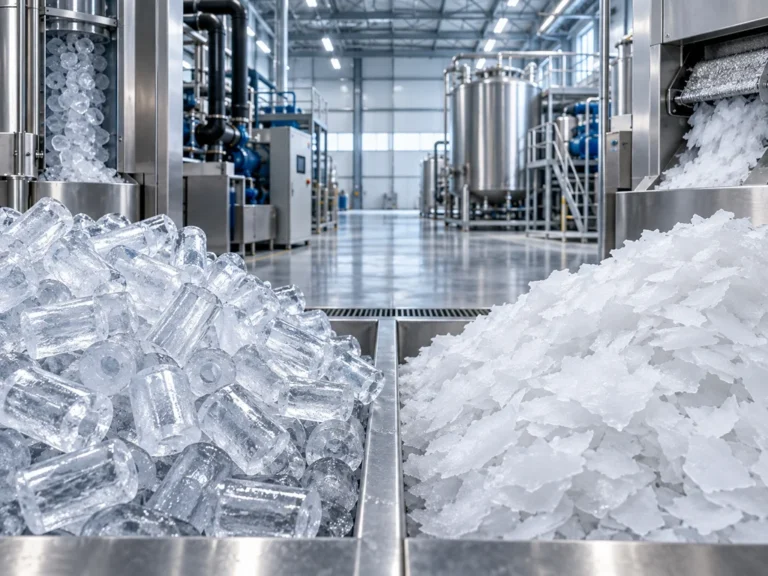
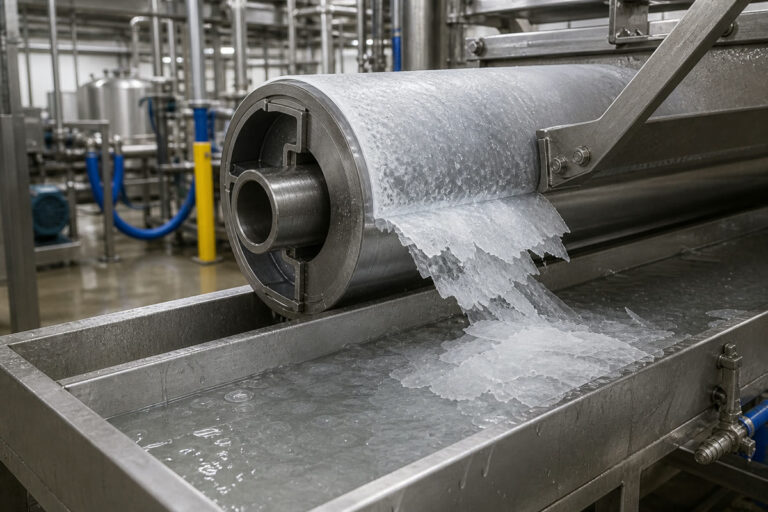
An ice machine evaporator shapes ice because it is the surface where water gives up heat and freezes. In a flake ice system, the freezing surface, water contact, freeze time, and harvesting action work together to produce removable flakes. This guide explains that industrial flake-ice process without treating it as a model-specific compatibility or performance claim.

Read

How to Select an Industrial Flake Ice Machine

Select an industrial flake ice machine by confirming the ice duty, production and peak-demand profile, site conditions, and the full path from ice discharge to use. A daily capacity label is not enough when storage, transfer, cooling, power, or installation limits can prevent the system from meeting the actual process schedule.

Read

Industrial Ice Machine Buyer Guide: How to Choose Type, Capacity, and System Scope

Choosing an industrial ice machine starts with three decisions: the ice type required by the process, the production capacity needed within the available operating hours, and the equipment scope from ice making through storage and dispatch. Nameplate output alone cannot show whether a system will cover peak withdrawal, recover stored inventory, or operate under actual site conditions.

Read

Get a quick quote.

Tell us your detailed requirements about the ice machine, and we will send you the price, specs and so on.

✉
English