You ask three suppliers for a "5-ton" flake ice machine, and the quotes come back thousands of dollars apart. That gap isn't random—it reflects different
Flake Ice Machine Price Guide: How Capacity, Configuration and Brand Affect Cost
Quick Answer
- Use this guide to compare Flake Ice Machine Price Guide: How Capacity, Configuration and Brand Affect Cost by supplier capability, technical fit, and operating risk.
- Prioritize verified capacity, refrigerant options, lead time, spare-parts support, and after-sales response.
- Ask suppliers for project data, drawings, certifications, and references before requesting a final quotation.
Why Flake Ice Machine Pricing Is Hard to Compare
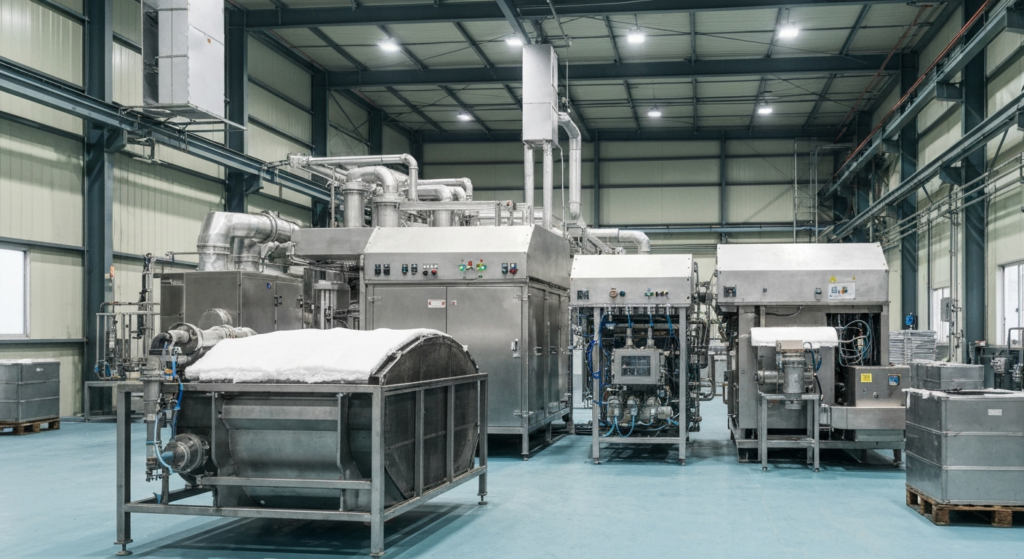
You ask three suppliers for a "5-ton" flake ice machine, and the quotes come back thousands of dollars apart. That gap isn't random—it reflects different assumptions about capacity, cooling, and what's actually included.
Flake ice machine price never comes down to a single sticker number. It depends on daily capacity, cooling method, configuration, build materials, and the supplier's business model. Two quotes can describe very different machines.
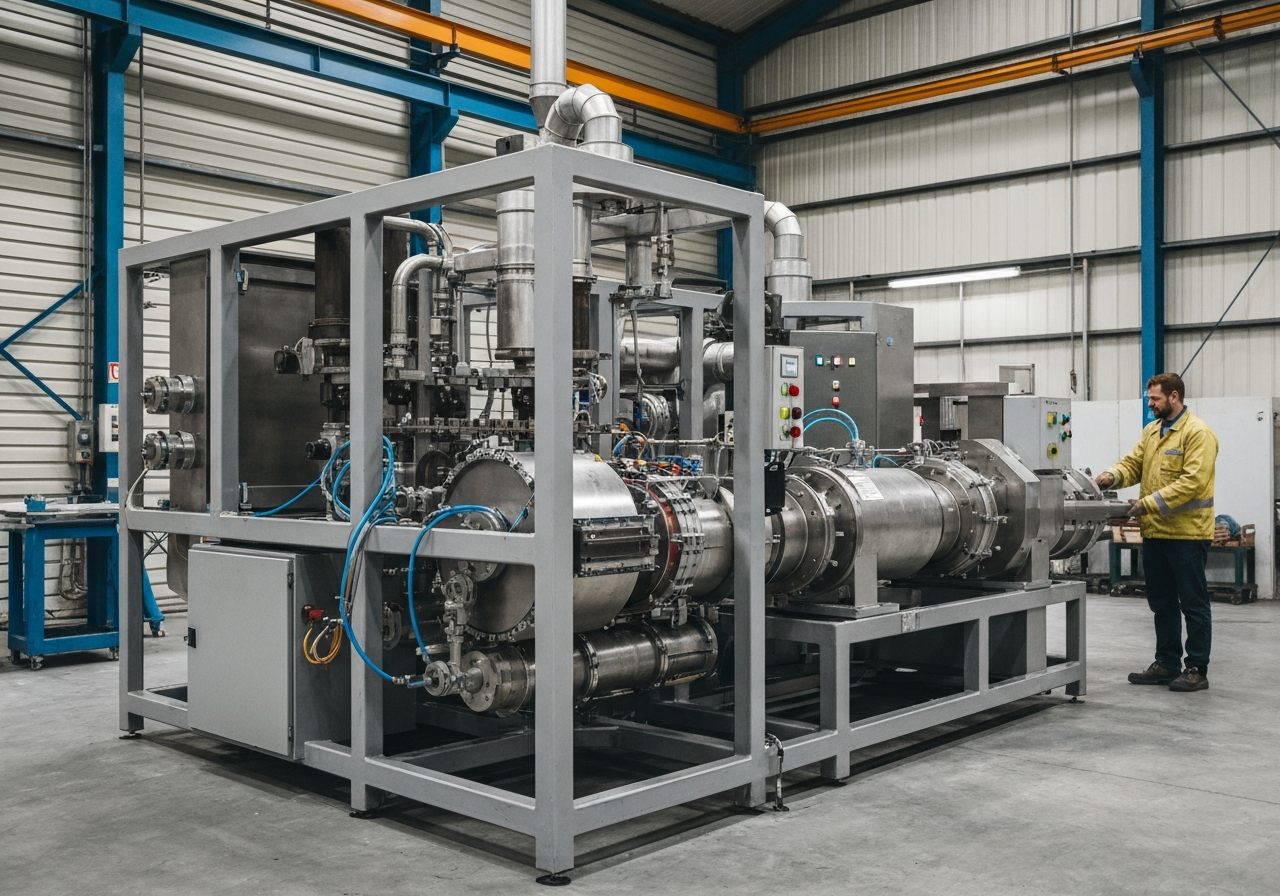
For context, KaTom reports that commercial ice machines typically sell between $1,500 and $13,000. Industrial flake systems and complete ice plants scale well above that range because they use larger evaporators, heavier refrigeration, and engineered integration.
This guide serves processors, fisheries, supermarkets, food plants, concrete and cooling projects, and resellers sourcing OEM/ODM units. The goal: help you compare quotes fairly and budget for true cost.
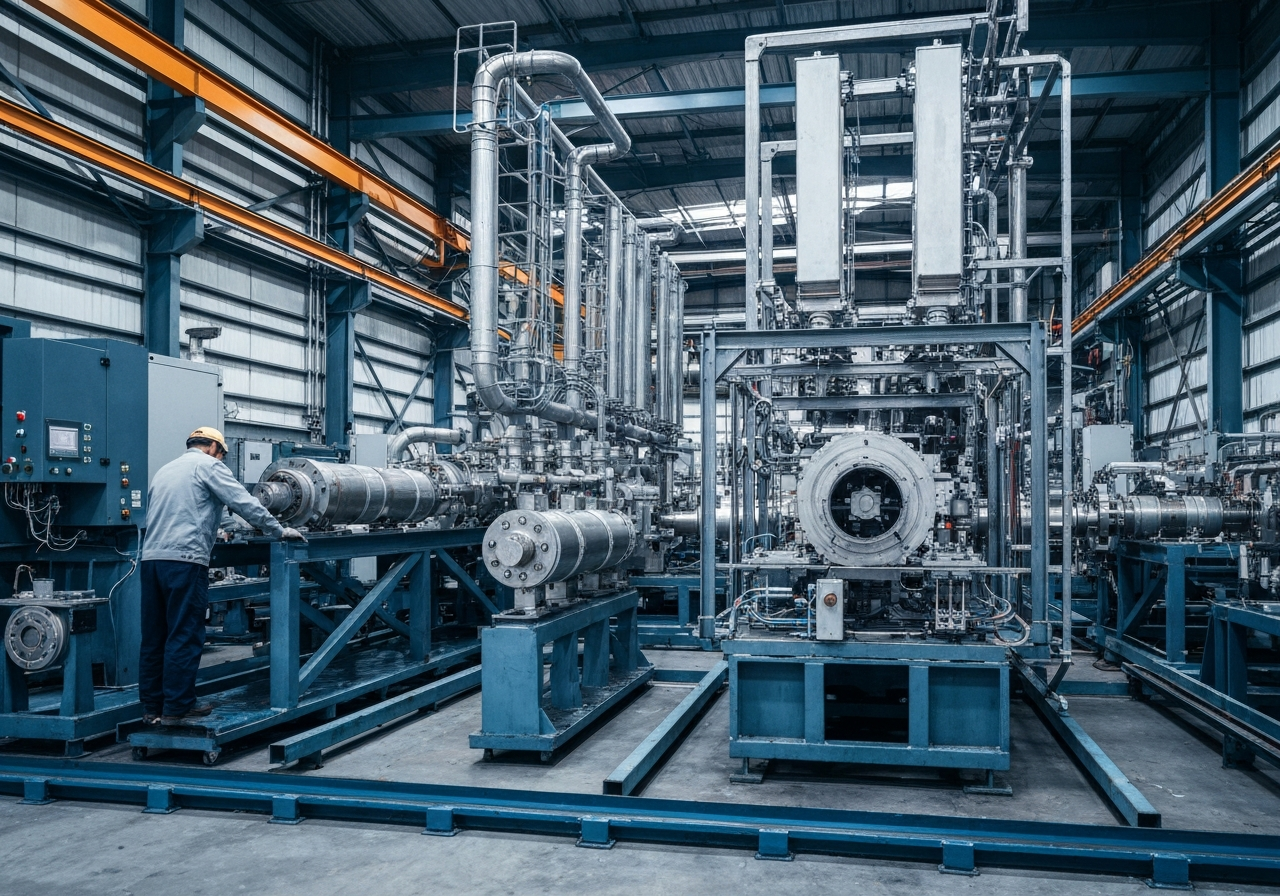
Two questions this guide answers:
- Why are two "5-ton" quotes thousands of dollars apart?
- What's actually in the price versus quoted later as an add-on?
The 5 Cost Drivers Behind Every Flake Ice Machine Quote
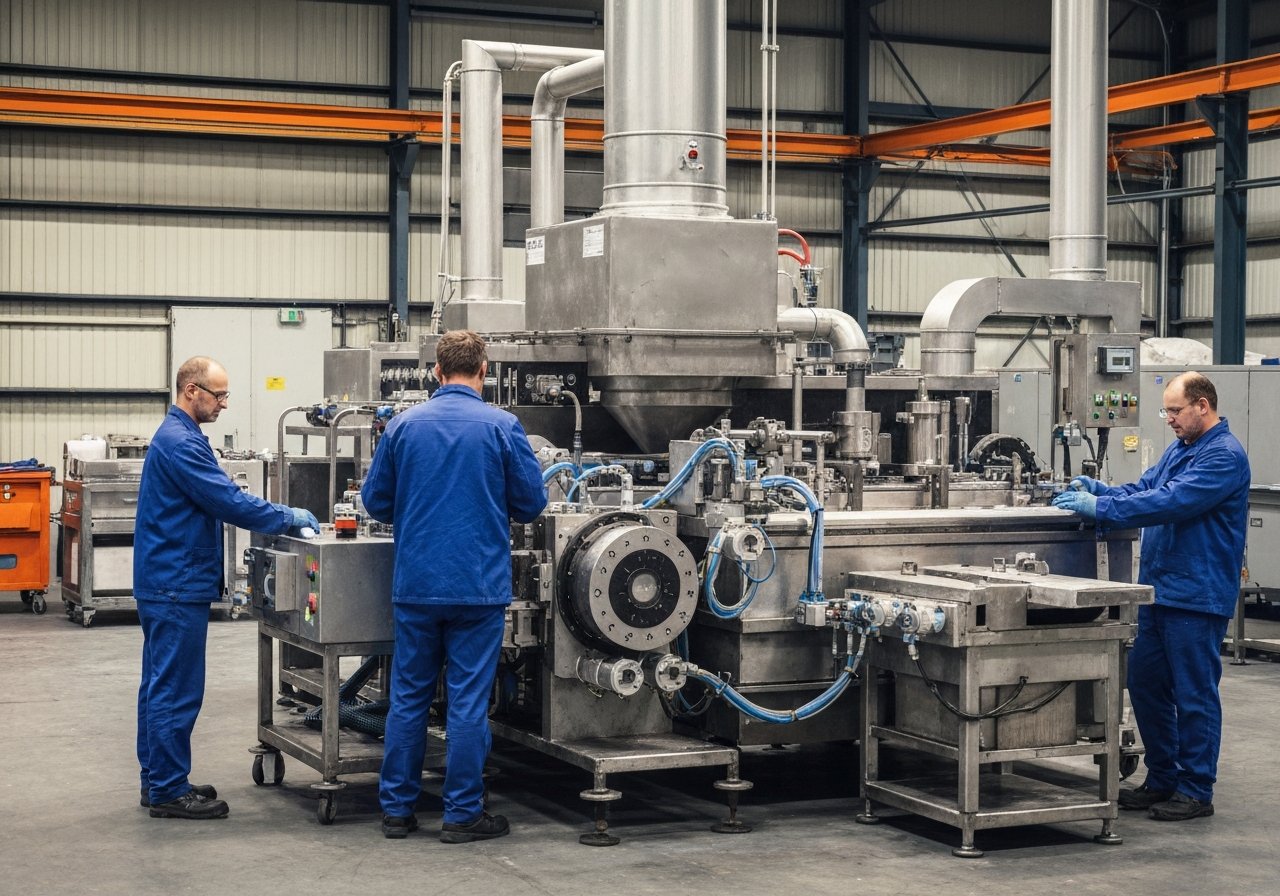
1. Daily Ice Capacity (Tons per 24h)
Price scales directly with rated output. Higher tonnage demands larger evaporators, bigger compressors, and more refrigeration capacity—each adding cost to the quote.
Watch the fine print. "Rated capacity" assumes specific inlet water and ambient temperatures. In hot climates, real-world output can fall noticeably below the rated figure, so a machine sized on paper may underperform on-site.
2. Cooling Method (Air-Cooled vs. Water-Cooled)
Air-cooled units avoid water costs and suit moderate climates, but they struggle as ambient temperature climbs. Water-cooled units handle hot environments and high output more efficiently—at the cost of ongoing water consumption.
The cheaper choice depends on your region. Where water is expensive or scarce, air-cooled may win. Where ambient heat is high and volume is large, water-cooled often pays back.
3. Configuration (Machine-Only vs. Complete Ice Plant)
A bare flake ice maker produces ice and nothing else. A complete ice plant integrates storage, conveying, packing, the refrigeration system, and controls into one turnkey project.
That integration changes the price band entirely. Configuration often drives more cost variance than tonnage alone, because each added subsystem—storage, conveying, packing—carries its own engineering and equipment cost.
4. Materials & Build (Evaporator, Stainless Grade, Refrigerant)
The evaporator drum material, food-grade stainless steel grade, refrigerant type, and compressor brand all move the price. These specs also affect hygiene compliance, durability, and energy efficiency.
A lower quote may simply use thinner stainless or a budget compressor. Always compare the bill of materials, not just the headline number.
5. Supplier Model (Stock Unit vs. OEM/ODM Manufacturer)
Buying from a direct manufacturer differs from buying through a trading reseller. The manufacturer route typically gives clearer specs, customization control, and better spare-parts access.
OEM and ODM customization—capacity, branding, configuration—adds engineering cost but lets resellers and large buyers tailor the unit. Volume and specification complexity both affect pricing and lead time.
Flake Ice Machine Price & Specification Comparison Table
Use this to compare configuration tiers, not brands. The cost column reflects general market positioning, not fixed prices—always request a project-specific quote.
| Configuration Tier | Typical Daily Capacity | Cooling Type | Included Components | Best-Fit Buyer | Indicative Cost Driver |
|---|---|---|---|---|---|
| Compact flake unit | ~0.5–1 ton/24h | Air-cooled | Ice maker only | Small retail, labs, fish counters | Lowest entry cost |
| Mid-range flake unit | ~2–5 ton/24h | Air or water | Maker + basic storage | Supermarkets, restaurants, small processors | Mid-range |
| Industrial flake unit | ~5–20 ton/24h | Water-cooled | Maker + refrigeration system | Seafood, food processing, cold chain | Higher; engineered |
| Complete ice plant | 10 ton/24h+ | Water-cooled | Maker, storage, conveying, packing, controls | Ice factories, large processors | Project-priced (turnkey) |
*Footnote: capacities and tiers are representative. Request a project-specific quote for exact specifications and pricing.*
Air-Cooled vs. Water-Cooled at a Glance
| Factor | Air-Cooled | Water-Cooled |
|---|---|---|
| Upfront cost | Generally lower | Generally higher |
| Water use | Minimal | Continuous |
| Ambient limit | Better in moderate climates | Handles high heat |
| Maintenance | Coil cleaning | Water treatment, scaling control |
| Best climate | Cool to moderate | Hot, high-output sites |
Total Cost of Ownership — Beyond the Purchase Price
As KaTom notes, the purchase price is only the most visible cost. The number that matters over years is total cost of ownership.
Energy consumption, water usage, cleaning frequency, spare parts, and downtime risk all accumulate. A cheaper machine that runs inefficiently or fails often can cost more than a well-built unit over its lifespan.
There's also an ROI upside. High-volume in-house ice reduces reliance on externally purchased ice—a recurring expense that erodes margin. Producing your own at peak demand often pays back the equipment.
Downtime is a hidden cost. If a unit stops during peak season and spare parts aren't available, lost production can outweigh any savings on the initial quote.
Cost line items to budget for:
- Equipment + freight + import duties
- Installation and commissioning
- Electrical and water infrastructure
- Annual energy and water
- Routine cleaning and descaling
- Spare parts and consumables
- Service contract / warranty coverage
How to Size and Spec Your Flake Ice Machine (Step-by-Step)
Follow this sequence to avoid over- or under-sizing—the two most expensive mistakes in ice equipment procurement.
- Calculate peak daily ice demand (tons/24h) for your busiest season, not your average day.
- Add a safety margin (commonly 15–25%) for hot-ambient capacity loss and future growth.
- Choose cooling method based on ambient temperature and local water cost and availability.
- Decide configuration: standalone unit versus complete ice plant with storage and packing.
- Confirm storage and handling: bin capacity, conveying, and packing automation needs.
- Verify power and water supply against the machine's electrical and inlet requirements.
- Match material and refrigerant specs to your industry's hygiene and regulatory needs.
- Request itemized quotes from manufacturers using identical specs so you compare fairly.
Pre-Purchase Buyer Checklist
Bring this to every supplier conversation. It turns vague quotes into comparable, decision-ready proposals.
- [ ] Daily capacity confirmed at *your* water and ambient temperature
- [ ] Cooling type matches site conditions
- [ ] Stainless grade and food-contact compliance documented
- [ ] Compressor and refrigerant type specified
- [ ] Inclusions vs. add-ons listed in writing (storage, packing, conveying)
- [ ] Freight, duties, and Incoterms clarified
- [ ] Installation and commissioning scope defined
- [ ] Warranty terms and spare-parts availability confirmed
- [ ] Lead time and delivery/testing process documented
- [ ] OEM/ODM customization options reviewed (if reselling)
Recommended Videos to Verify Before You Buy
Specs on paper rarely tell the full story. Demonstration videos let you visually confirm output and build quality before requesting a quote.
Video 1 — Flake ice machine in live operation: Confirm real ice output, flake texture, and machine footprint. *Reader checks: actual production rate versus rated spec.*
Video 2 — Complete ice plant walkthrough: See how storage, conveying, and packing integrate. *Reader checks: what "turnkey" physically includes.*
Video 3 — Installation and commissioning: Understand site requirements and setup complexity. *Reader checks: infrastructure and labor needs before delivery.*
Video 4 — Maintenance and cleaning routine: Gauge upkeep effort tied to TCO. *Reader checks: cleaning frequency and parts access.*
Ask suppliers for demonstration videos so you can visually confirm capacity and build quality before committing.
Red Flags That Change the Real Price
Before comparing supplier prices, normalize every quote into the same scope. Ask whether the price includes the evaporator, compressor unit, control cabinet, refrigerant charge, storage bin, electrical components, installation guidance, commissioning support, and spare-parts package. A lower headline price is not useful if key systems are quoted later as optional extras.
For procurement teams, the cleanest comparison is a landed-cost view: equipment price, freight, import duties, local installation, water and power infrastructure, annual utilities, maintenance labor, and expected downtime risk. This prevents a cheap purchase from becoming an expensive operating decision.
- Confirm rated capacity at your water temperature and ambient condition.
- Ask for a bill of materials, not only model names.
- Separate one-time project costs from recurring operating costs.
- Require written warranty, lead time, and spare-parts terms.
Quote Review Worksheet
Before comparing supplier prices, normalize every quote into the same scope. Ask whether the price includes the evaporator, compressor unit, control cabinet, refrigerant charge, storage bin, electrical components, installation guidance, commissioning support, and spare-parts package. A lower headline price is not useful if key systems are quoted later as optional extras.
For procurement teams, the cleanest comparison is a landed-cost view: equipment price, freight, import duties, local installation, water and power infrastructure, annual utilities, maintenance labor, and expected downtime risk. This prevents a cheap purchase from becoming an expensive operating decision.
- Confirm rated capacity at your water temperature and ambient condition.
- Ask for a bill of materials, not only model names.
- Separate one-time project costs from recurring operating costs.
- Require written warranty, lead time, and spare-parts terms.
Frequently Asked Questions
How much does an industrial flake ice machine cost?
Pricing depends on capacity, cooling type, and configuration. Commercial units commonly range from a few thousand dollars upward (KaTom cites $1,500–$13,000), while industrial flake systems and complete ice plants are project-priced. Request an itemized quote for an accurate figure.
Does higher daily capacity always cost more?
Generally yes—larger tonnage requires bigger evaporators, compressors, and refrigeration capacity. But oversizing wastes capital and energy, so size to peak-season demand plus a safety margin rather than the largest available unit.
Air-cooled or water-cooled—which is cheaper to run?
Air-cooled units avoid water costs and suit moderate climates. Water-cooled units handle hot ambients and high output more efficiently but add water usage. The cheaper option depends on your local utility costs and site temperature.
What's the difference between buying a machine and a complete ice plant?
A standalone machine produces ice only. A complete ice plant bundles production, storage, con